I spent more than two decades at PwC advising many of the world’s largest companies through IPOs, acquisitions, regulatory challenges, and the decisions that rarely make the agenda.
I never planned to stay that long. I stayed because I loved the work, the people, and the privilege of helping leaders navigate moments that mattered.
I was admitted to the partnership in 2017. By every conventional measure, I had built the career I set out to build.
At the end of 2025, I chose to leave. Not because I was running from something. Because I wanted to build work that reflected my own judgment, my own voice, and my own convictions.
I founded Tether Business Solutions to put my experience working with some of the largest and most complex organizations to work for owner-led businesses. Alongside it, selective advisory board and finance engagements.
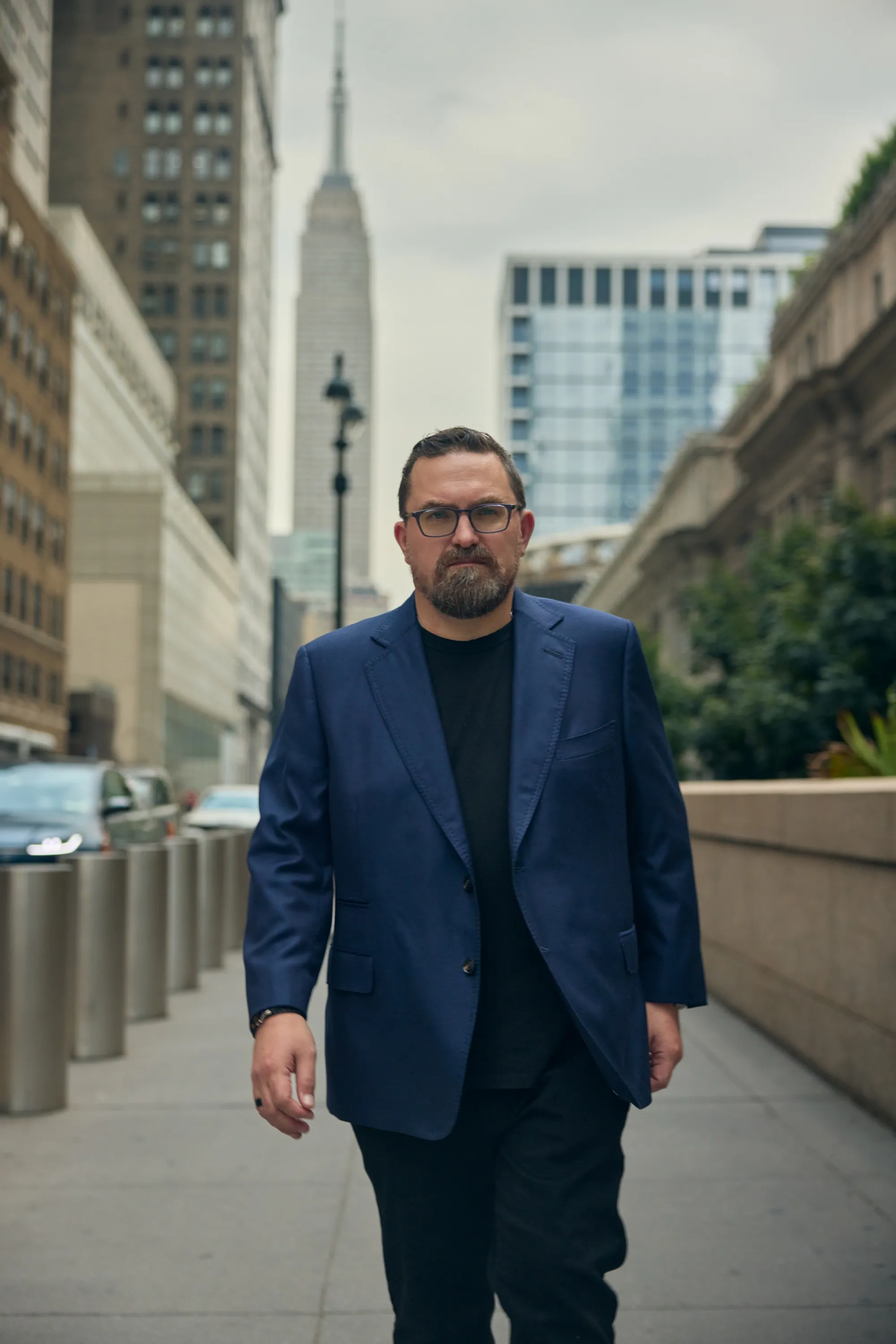
About me.
Growing up in New Jersey, I learned the value of hard work early. I was one of six kids. Neither of my parents went to college. My father started his own business in his mid-forties while working a full-time job, usually on nights and weekends. My mother worked any job she could to bring in extra money. I watched them work the way they worked, without complaint, without shortcuts, and without ever quite catching their breath. They never lectured me about effort. They never talked much about work. They simply showed me what it looked like to keep showing up. That became my standard.
That foundation eventually led me to accounting—not because I dreamed of becoming an accountant, but because I was drawn to solving difficult problems, earning trust, and helping people make better decisions.
I joined PwC in 2004 expecting to stay a few years before moving on. Instead, I stayed for more than two decades. The work was intellectually demanding, but it was never just about accounting. It was about helping leaders make consequential decisions in moments of uncertainty. The technical work was the medium. Judgment was the craft.
Some of that work asked more of me than the work itself. In 2011, I was assigned to Tokyo to lead services across Asia-Pacific for a global Fortune 100 client. Not long after I arrived, the Fukushima earthquake and nuclear meltdown happened. I led the crisis-management response over the months that followed and learned something that most leadership books only theorize about: the version of you who can hold a room when nothing is certain is built somewhere quieter than the boardroom. Japan permanently changed how I think about leadership. It taught me that calm is a discipline, that consensus is not the same as agreement, and that the most important work happens before anyone enters the room.

By every conventional measure, this was what success was supposed to look like. And for a while, it was. The work was harder, the stakes were higher, and the opportunities became larger. The years moved quickly. Somewhere in them, something started to shift that I couldn’t quite name—and then couldn’t quite ignore.
Looking back, I realize I wasn’t leaving a firm. I was leaving an identity I had spent twenty-two years building.
I'm a husband and a father. Most of what I'm building is measured at home, not on the résumé — whether the people closest to me are getting the version of me I intended.
I write because writing is how I think. I build because the problems I find most interesting now are the ones nobody has bothered to solve for smaller companies.
The work is still evolving. I expect it always will.

Sean Wittig
"The version of you that succeeds for twenty years is not always the version equipped for the next ten."
What I Do Now.
Same work. Different side of the table.
I work with founders, owners, and executives at the point where something has changed and the answer isn't obvious.
Most of it is Tether. I build and run AI & automation systems for owner-led businesses. The technology isn't the hard part. Knowing what to automate and what to leave alone is.
Some of it is a seat at the table. A small number of advisory boards, where the questions have outgrown the room.
Some of it is technical. Finance, accounting and operations at consequential moments when the numbers have to hold up.
And some of it is one person carrying a decision they can't raise inside their own organization.
I write for the same reason I advise. It's how I work out what I think.
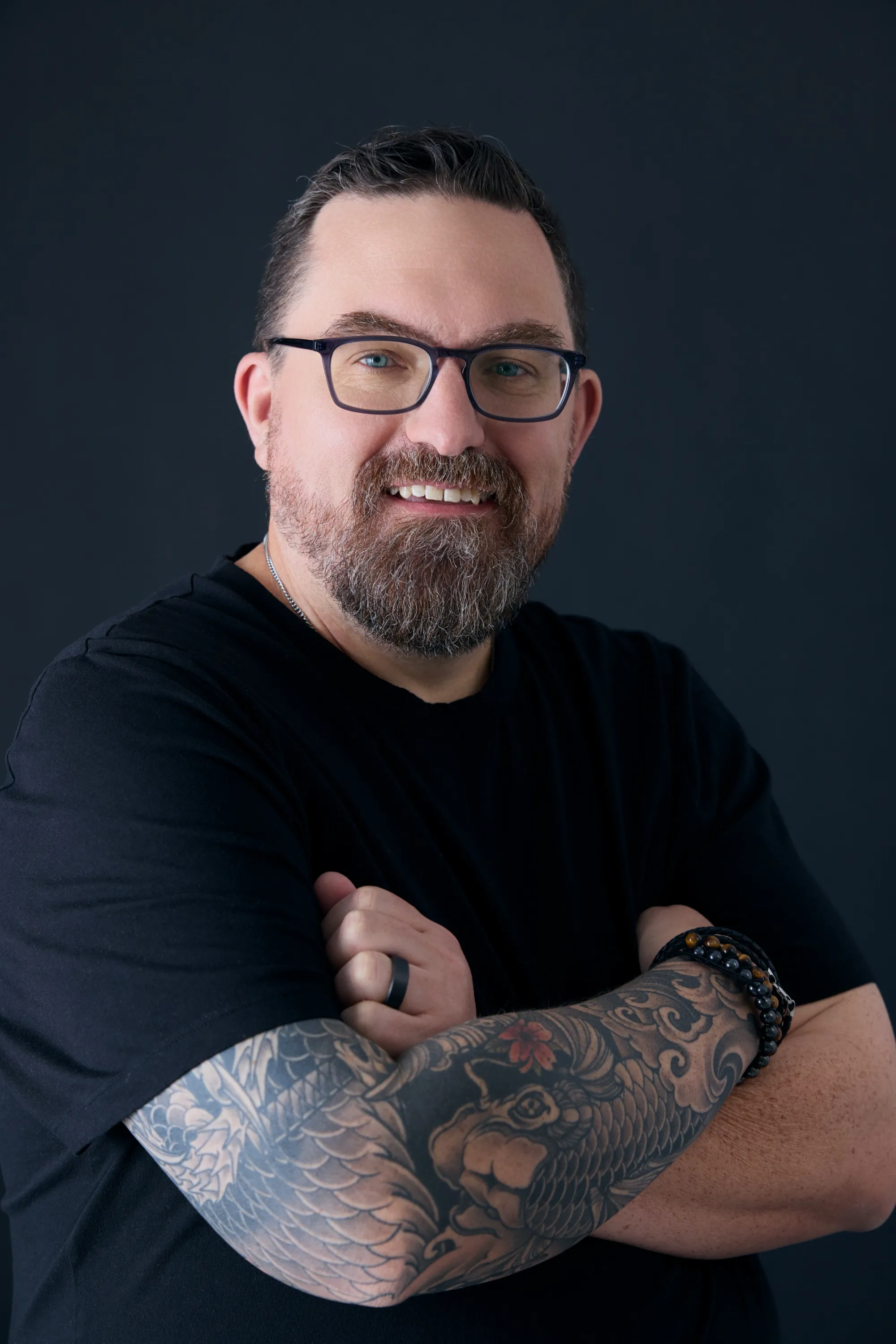

Notable Experience
What the years built.
Founder, Tether Business Solutions Former Partner, PwC · 22 years
Advisory Board Member, AI Hot 100 Summit
Crisis leadership, Fukushima response · Asia-Pacific
Writer, Bridging the Void
Developing People and Culture
Built and led high-performing teams, mentoring dozens of professionals into senior leadership roles—including several admitted to the PwC partnership. Throughout my career, I became known as a developer of talent and a leader who built teams that outlasted the engagements themselves.
Judgment Under Pressure
Advised CFOs, founders, audit committees, and boards through the kinds of moments where the stakes are visible and the right answer isn't: IPOs, multi-billion-dollar acquisitions, divestitures, and regulatory inflection points. The work was never just about the decision itself. It was about creating the conditions for the right decision to emerge.
Technology and People
I have spent my career helping leaders navigate the introduction of new technologies, new operating models, and new ways of working. Today, that work includes AI—but the challenge remains fundamentally human: helping organizations adopt change without losing judgment, trust, or execution. Tether is that conviction made operational.
Growth Without Compromise
Built and led large global service organizations across multiple geographies, delivering sustained revenue growth and improved profitability without trading away the standard of the work or the wellbeing of the teams. The hardest part of growing a business at this scale is not growing it. It is keeping what made it worth growing in the first place.

When you’re ready.
Most people who reach out have been thinking about it for a while.
The first conversation is just a conversation. No pressure, no preparation.
Looking for AI and automation solutions for your business?